
My husband, Yuriy, made two little games for our daughters, and I wanted to share them with you. They started as little projects for our family, but I thought other parents might enjoy them too.
Both are available at wonderchime.com, and they work right in your browser on a phone, tablet, or computer — no downloads or installation needed.
The two games came from very different things he wanted to help with: music for both girls, and school lunches for our eldest.
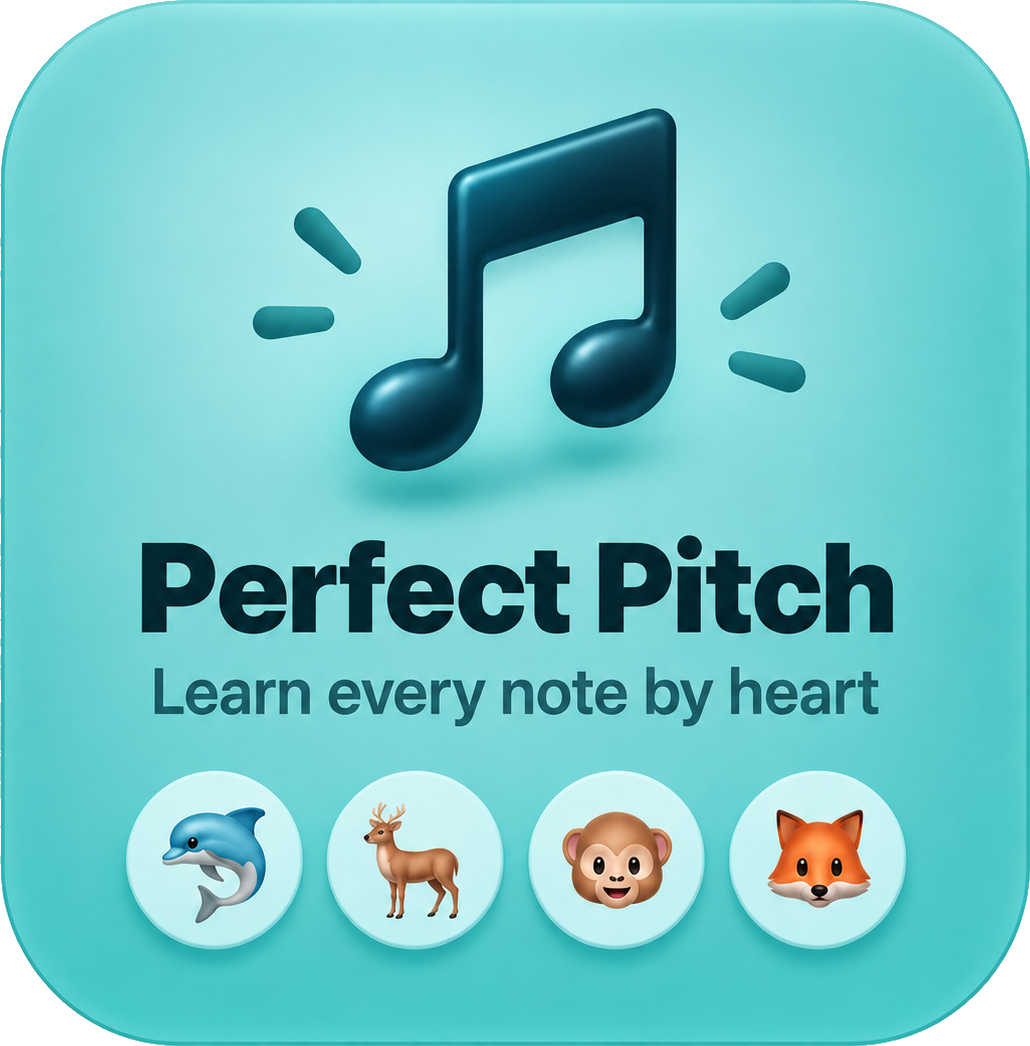
Perfect Pitch
This was actually the first game Yuriy made for our daughters. Neither of them have perfect pitch yet, but he wanted to give them a playful way to spend more time listening closely.
Kids listen, tap, and try to identify musical notes — one chime creature at a time. It's designed for young children, especially those under five, and they can play on their own.
The goal was to make something that feels more like play than music practice.
“As an amateur musician, I always dreamt I had perfect pitch. People being able to hear a sound and immediately identify its pitch just seemed like a superpower and such a useful one too! So I've learned a ton about how perfect pitch develops and methodologies that people have used. I found that there are ways for young kids (ideally younger than five-ish) to fairly reliably develop perfect pitch, but the training seemed more like work and less like play. So I tried to blend the research with modern game reward mechanics to make learning and identifying pitch fun and engaging for kids, and importantly something they can do on their own. This is how Wonder Chime's Perfect Pitch app came to be.”
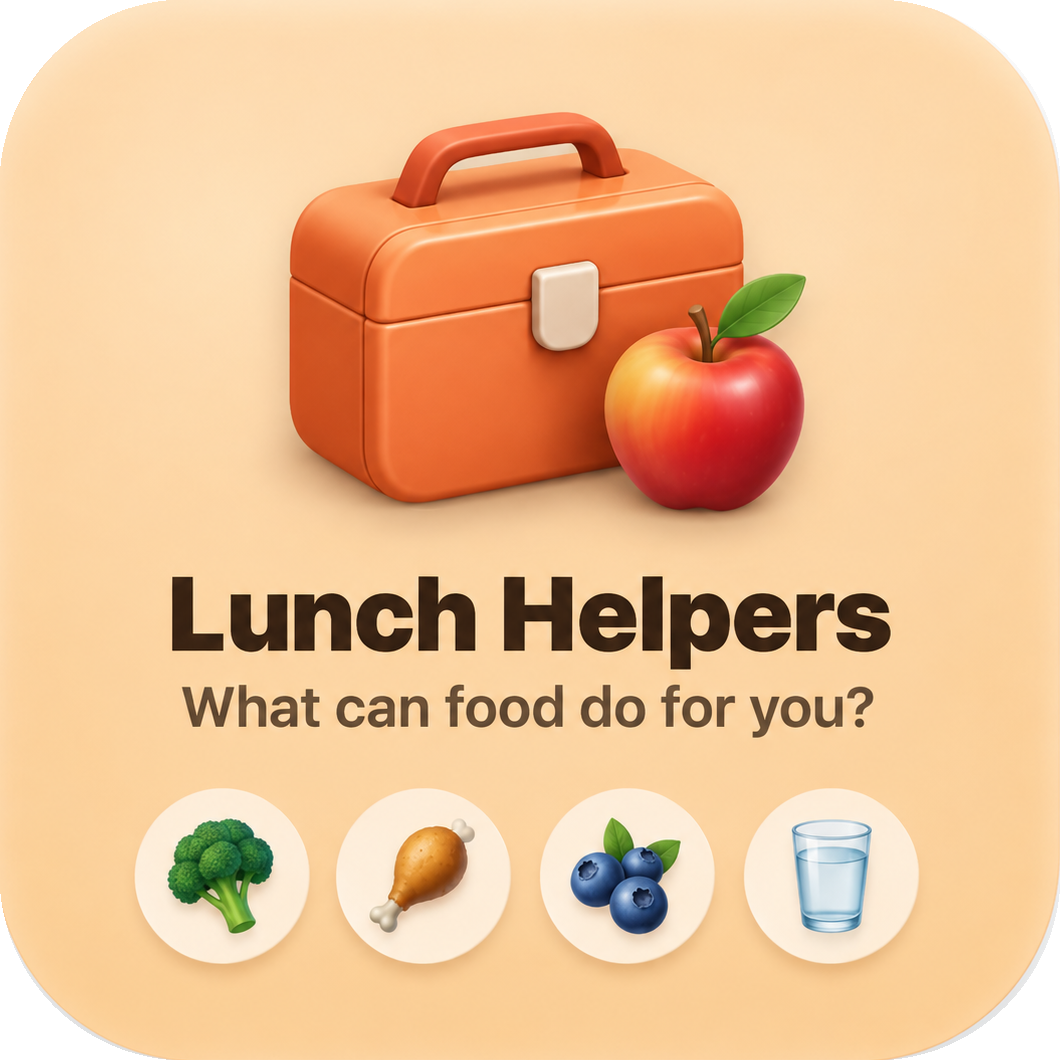
Lunch Helpers
Since our eldest daughter started public school this September, my husband built Lunch Helpers to teach her what different foods do for her body so she can make good choices on her own. He used the actual NYC public school lunch menu, so she can look at real options ahead of time instead of figuring it all out in the moment.
As kids build a tray, they can see what each food adds — energy, strength, hydration, and more — and what it doesn't add, so making good choices starts to feel more natural.
“My daughter was starting kindergarten, and I was really worried about her making good choices in the school cafeteria. I considered for a second asking her not to drink chocolate milk every day and pizza but then thought it'd be a million times better if she understands why. So I decided to make a little game for her to really understand in a fun way what different foods do for our bodies, and to give her a way (using real NYC school data btw) to select what she wants on her lunch tray ahead of time, seeing what each food does for her. So far she's really into it!”